As a key part for human vehicle interaction, the performance of motorcycle control system directly affects driving safety and handling experience. Max Trading breaks down this system into four modules: motorcycle handlebar assembly, motorcycle control cable, motorcycle braking component, and motorcycle steering component. Through sophisticated mechanical transmission design and force transmission mechanism, each part accurately converts the driver's subtle operations into the vehicle's dynamic response, achieving safe and stable driving control.
Handlebar and grip: control center
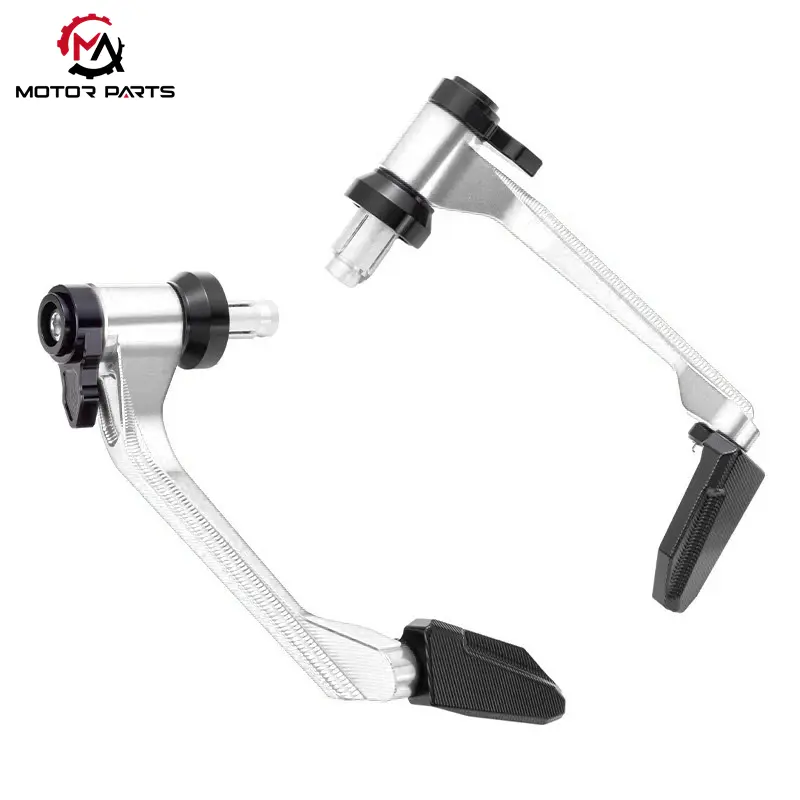
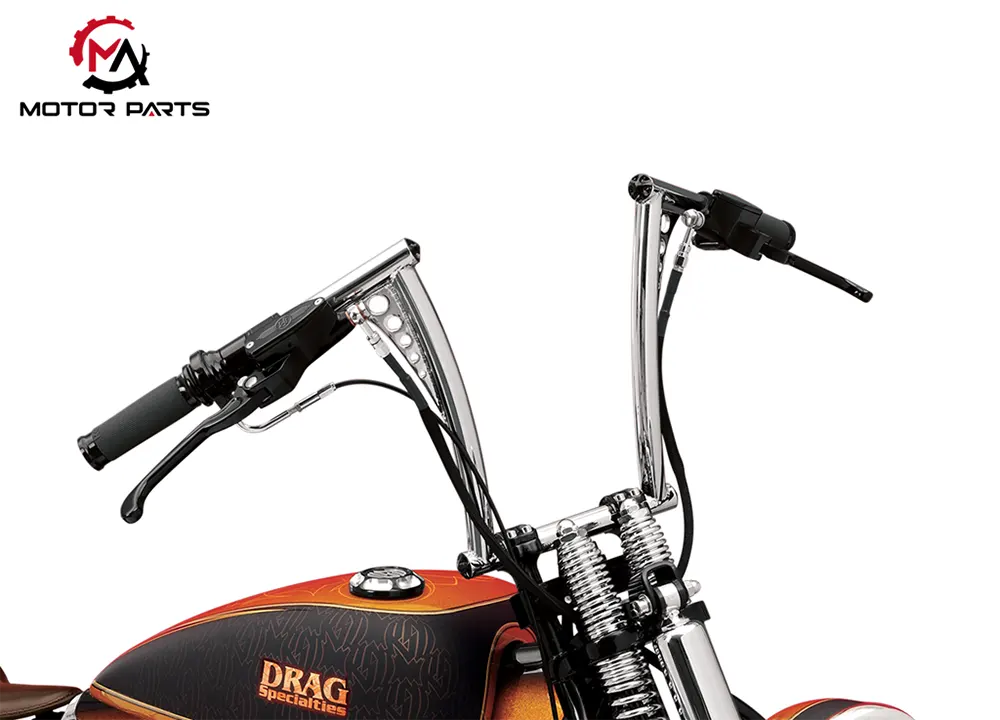
The handlebar is the heart of the motorcycle control system, in charge of the functions like steering command transmission, cable linkage triggering, and dynamic balance adjustment of the vehicle body. By optimizing the human-machine engineering design, the handlebar cover can effectively relieve hand fatigue caused by long-term grip, and also refine grip stability and comfort during operation with its anti slip texture and soft material.
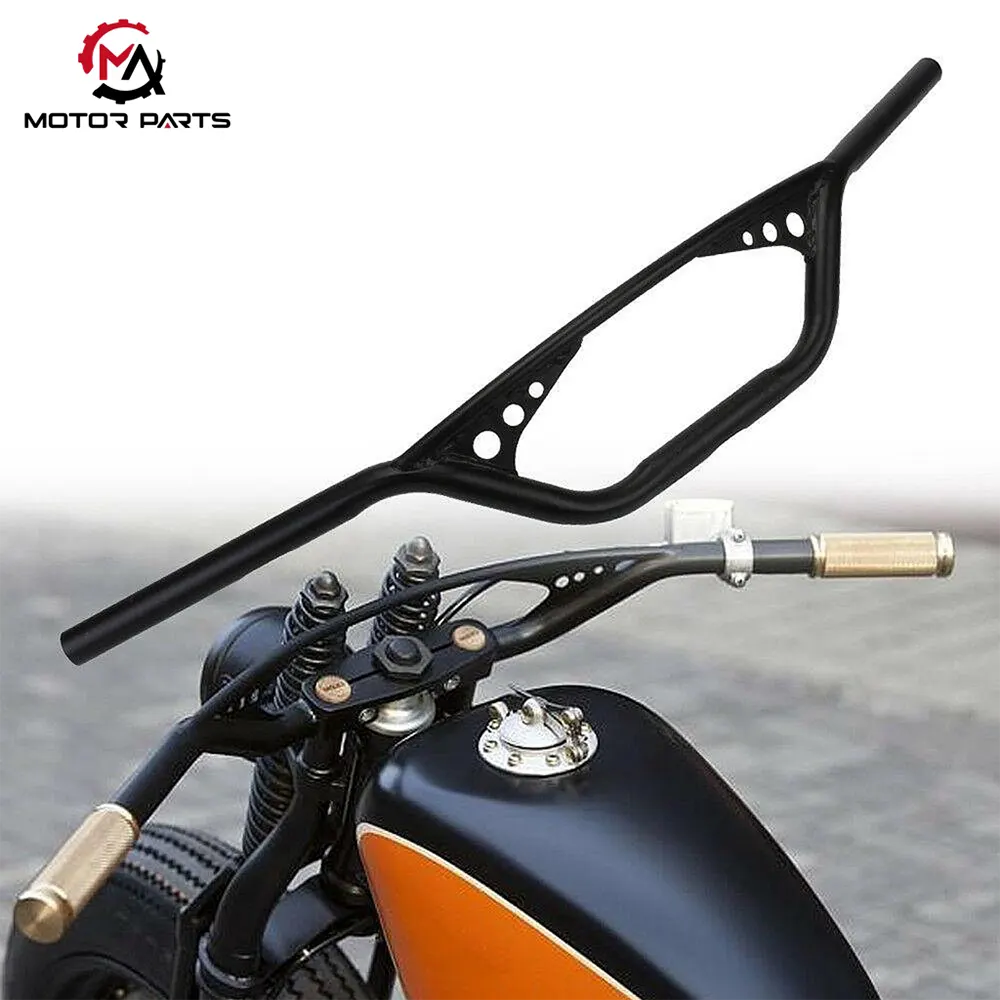
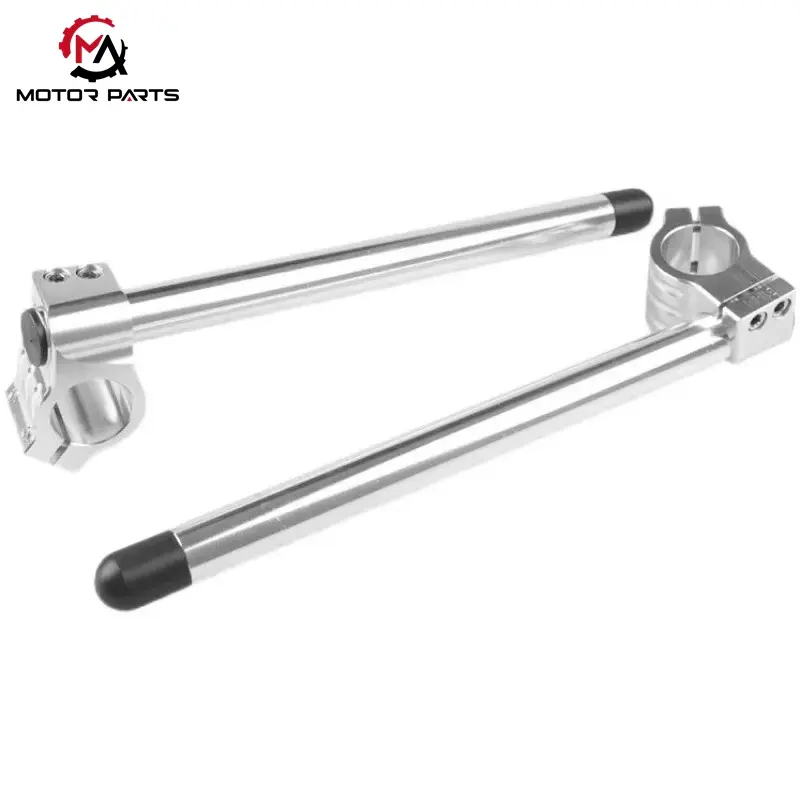
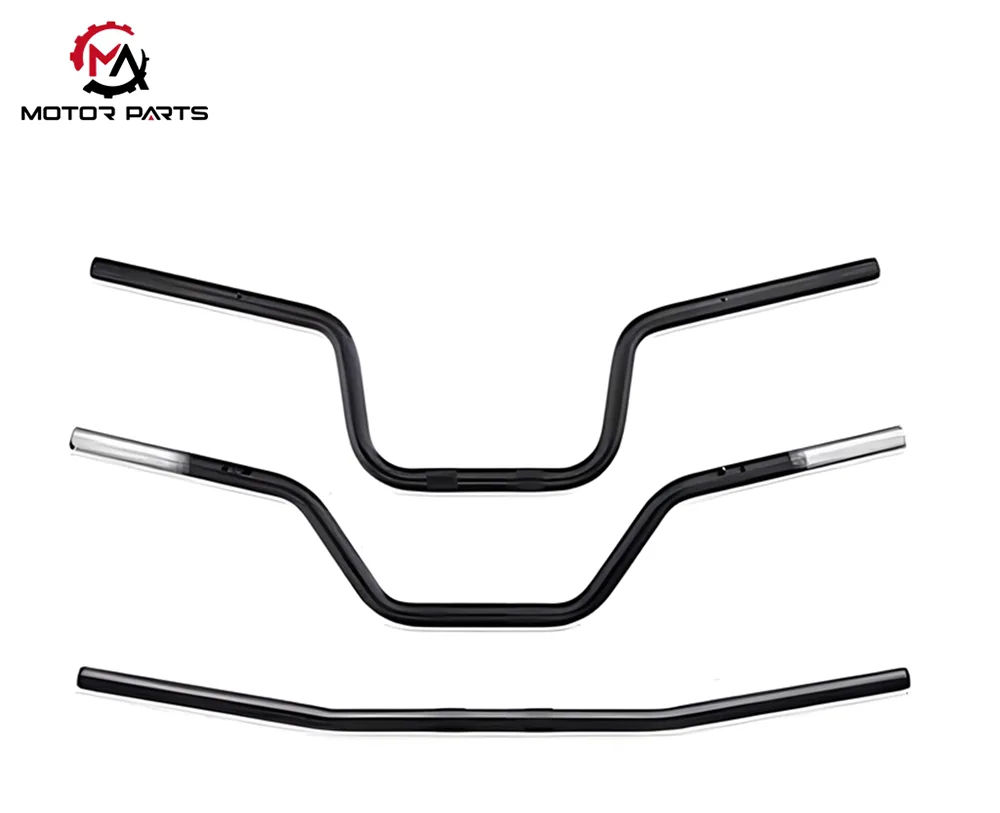
From the perspective of structural design, the motorcycle handlebars are made of high-strength alloy pipes formed through precision bending technology. The control component installation positions are symmetrically arranged at both ends, combined with a "T" - shaped structure rigidly connected to the middle and front fork risers through an upper connecting plate, to build a stable control foundation. It performs three functions during vehicle operation:
Steering execution center: The driver applies lateral steering force with both hands to drive the upper connecting plate and front fork to rotate synchronously, achieving precise control of the direction of the front wheels;
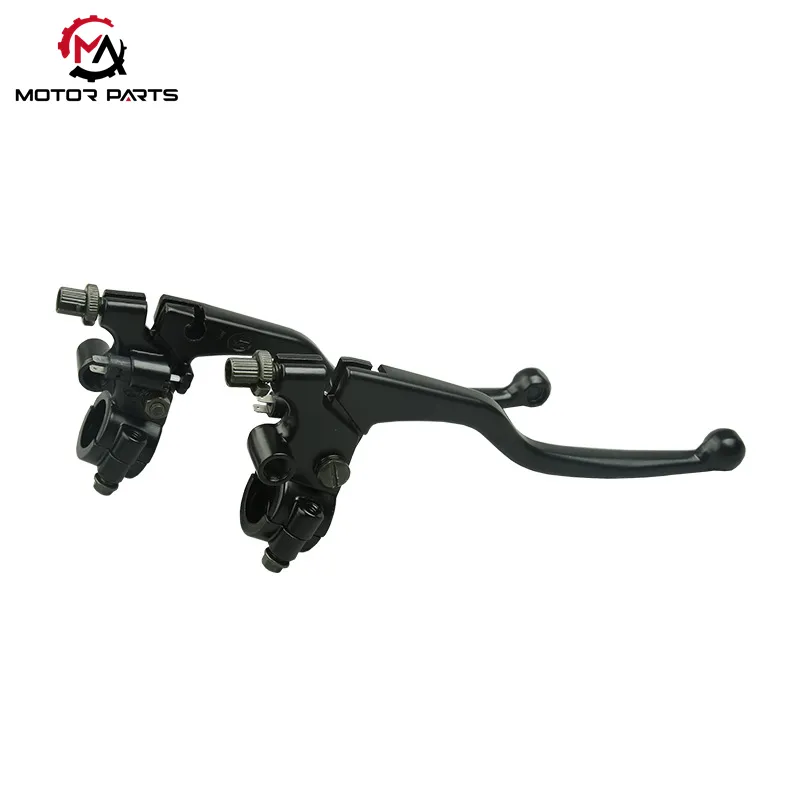
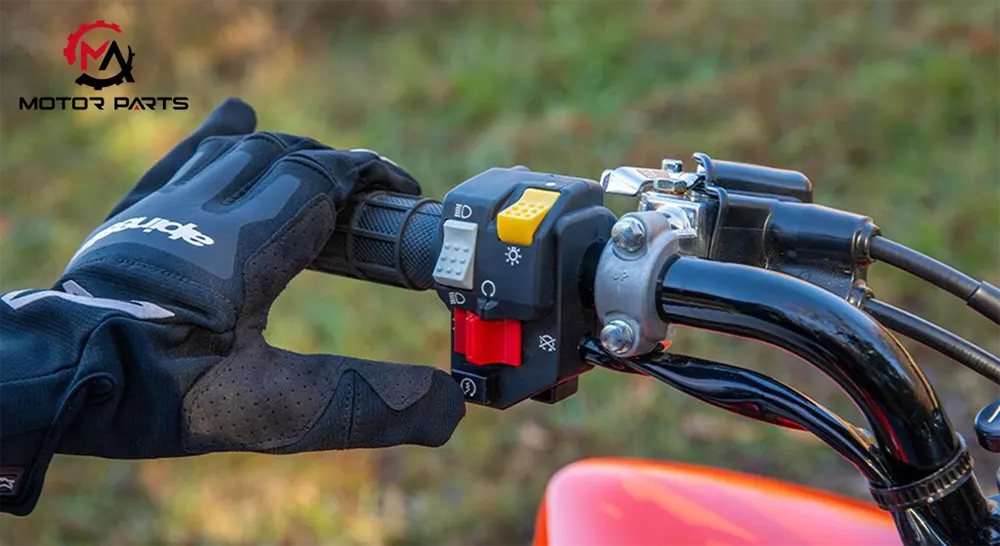
Integrated control platform: The left side of the handlebar is integrated with a clutch handle, turn signal switch, horn button, and light control knob, while the right side is integrated with a front brake handle, throttle lever, and ignition switch. Drivers can quickly activate various control functions with subtle movements of their fingers and wrists;
Dynamic balance adjuster: In low-speed driving or cornering conditions, the driver adjusts the grip strength and angle of the handlebars, and cooperates with the transfer of the body's center of gravity to effectively maintain the lateral stability of the vehicle and reduce the risk of rollover.
The handlebar cover, as a direct contact component between the handlebar and the driver's hand, impact on the handling precision in terms of its operational adaptability. The high-quality handlebar covers produced by Max Trading are usually made of high-density rubber or anti slip silicone material, with metal bushings embedded inside and rigidly connected to the handlebars, while the outside is designed with anti slip patterns and finger grooves.
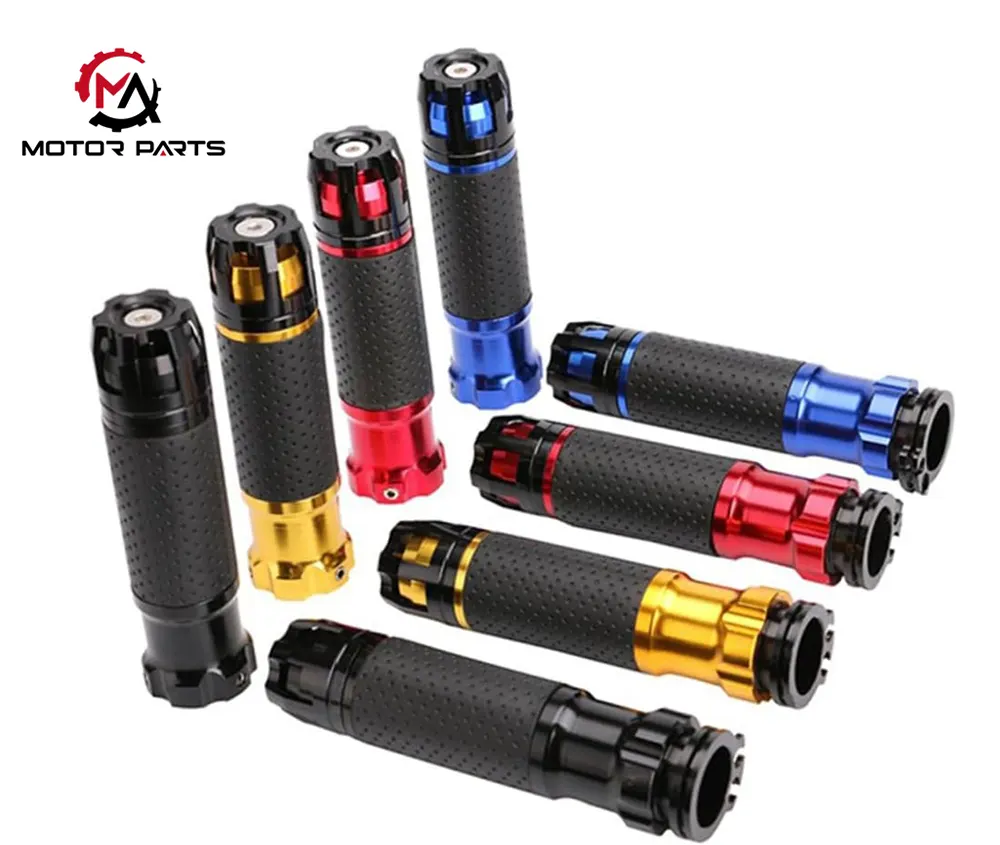
When the driver holds the handlebar, the anti slip pattern can increase the friction between the hand and the handlebar cover; The finger groove design can guide the fingers to naturally place and improve the response speed to the operation of the brake handle and clutch handle; At the same time, the elastic properties of rubber material can absorb some of the vibrations generated by road bumps, reduce hand fatigue, and ensure stability during long-term driving.
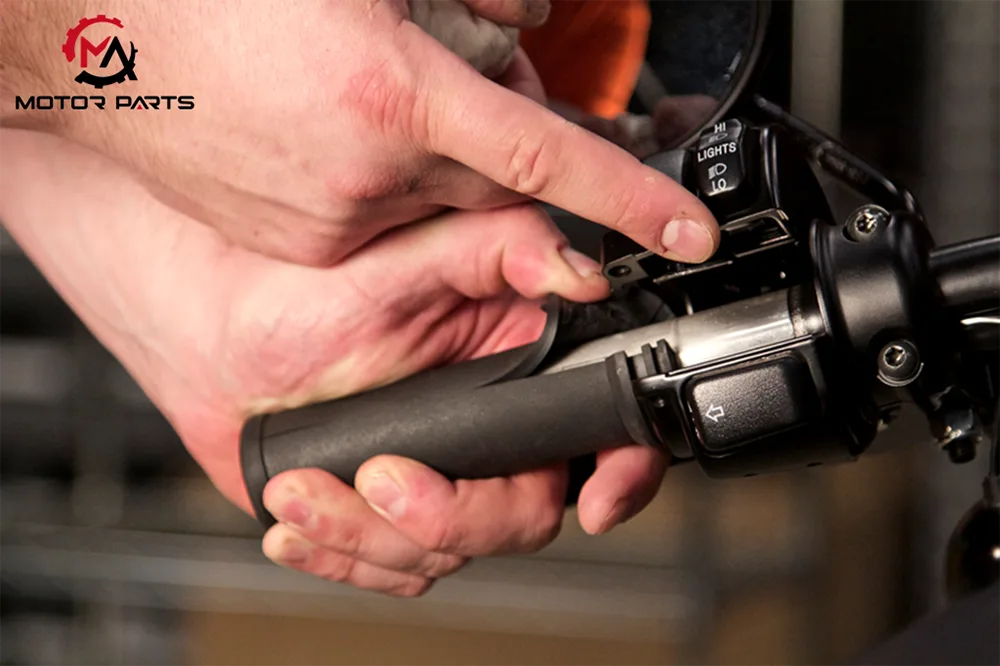
Controlling cable: power transmission nerve
Motorcycle control cables mainly include throttle cables, clutch cables, and brake cables (some models use hydraulic transmission for front braking, specifically referring to mechanical brake cables). The smoothness and precision of their operation ascertain the vehicle's power response, shifting smoothness, and braking effect.
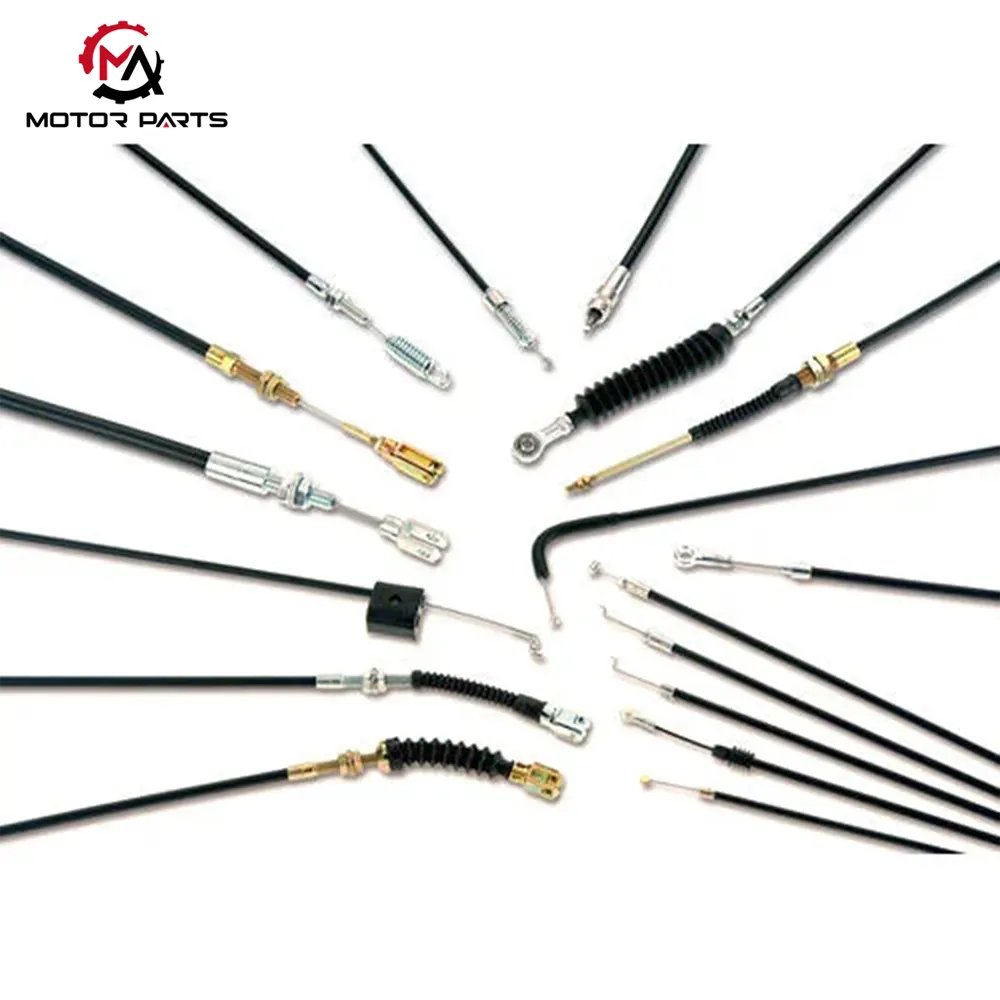
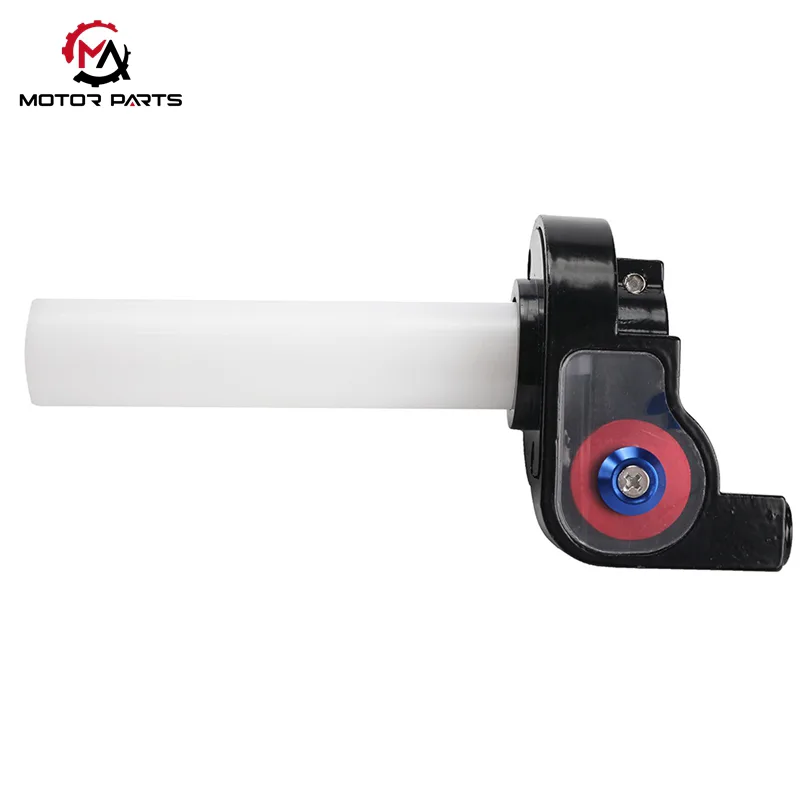
The function of the motorcycle throttle cable is to transmit the driver's intention to control the throttle opening and adjust the power output. Its structure usually consists of an inner core steel wire, an outer protective sleeve, and two end connection joints. The inner core steel wire can slide freely inside the protective sleeve, with one end connected to the throttle lever on the right side of the handlebar and the other end connected to the carburetor (or throttle body of the electronic fuel injection system). When the driver rotates the throttle lever clockwise, the cam structure will pull the inner wire of the throttle cable, thereby driving the throttle valve core to open. This action synchronizes the increase in intake and fuel injection, quickly increases engine speed, and enhances power output. When the driver releases the throttle lever, the reset spring on the throttle body will come into play, pulling the inner core wire to reset, closing the throttle valve, and finally causing the engine speed to gradually diminish.
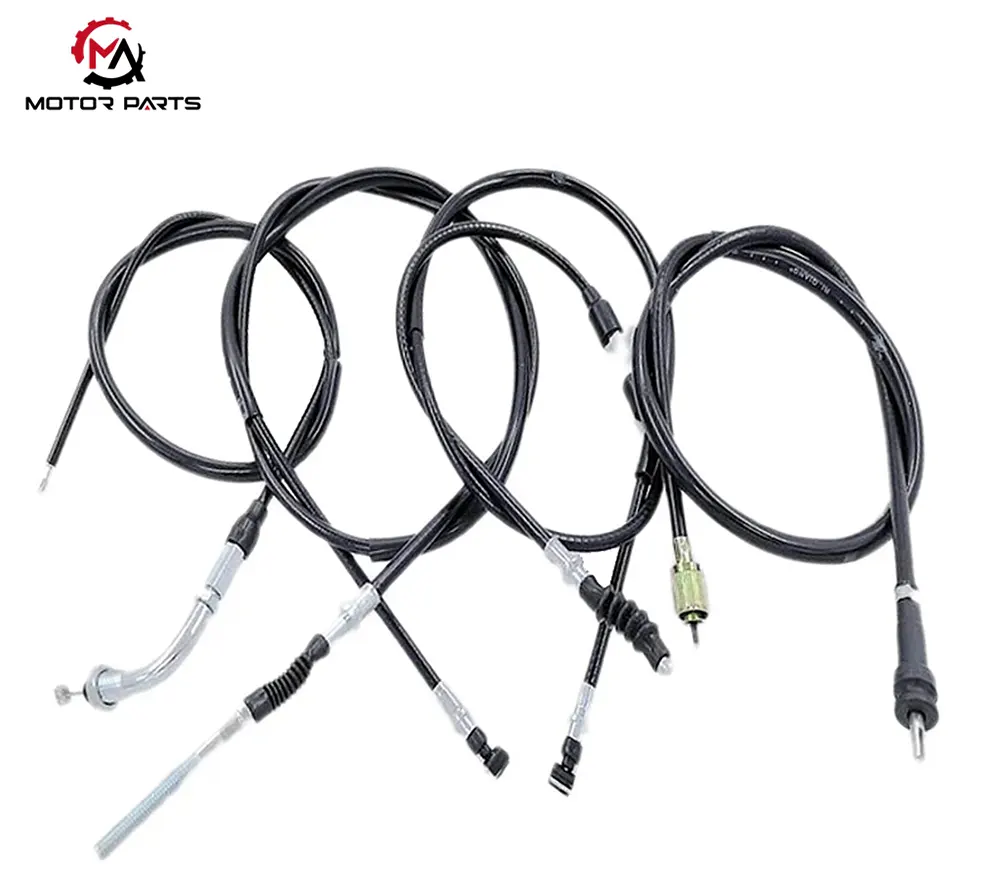
The motorcycle clutch cable, as a transmission component that separates and combines engine and gearbox power, has similarities in structure with the throttle cable. Considering that the clutch cable needs to withstand greater tension, Max Trading uses high-strength galvanized steel wire to create the inner core of the cable, and uses wear-resistant nylon sleeves or metal corrugated pipes as protection for the outer layer.
One end of the motorcycle clutch cable is connected to the clutch handle on the left side of the handlebar, and the other end is connected to the clutch rocker arm, which forms a transmission connection with the clutch pressure plate through a push rod. When the driver presses the clutch handle, the clutch handle pulls the inner core steel wire of the clutch cable through the lever structure. The inner core steel wire drives the clutch rocker arm to rotate, and the rocker arm pushes the push rod to compress the spring of the clutch pressure plate, causing the pressure plate to separate from the clutch plate and cutting off the power transmission from the engine to the gearbox. At this time, the driver can smoothly shift gears; When the driver releases the clutch lever, the pressure plate spring pushes the pressure plate back to its original position, and the clutch plate and pressure plate re engage, restoring power transmission. Motorcycles usually install adjustment nuts near the handle end of the clutch cable to facilitate the driver in adjusting the cable pre tension according to usage, ensuring smooth clutch disengagement and engagement.
The motorcycle brake cable is a key parts in the motorcycle braking system, transmit the force of the brake lever, causing the vehicle to slow down or stop. Motorcycle brake cables are made up of high-intensity steel wire inner wires and plastic or rubber shells. It has good toughness, wear resistance, and tensile strength, guaranteeing that the brake cable can bend and stretch flexibly. One of the brake cable is bonded to the brake lever of the motorcycle, and the other is connected to the brake caliper or drum mechanism. When the rider tightens the brake lever, the brake lever pulls the cable, which then transmits power to the brake caliper or drum, bringing friction between the brake pads and the brake discs or rims of the wheels, thus achieving speed reduction or parking.
Braking components: safety assurance center
Motorcycle braking components are an important part of guaranteeing driving safety, composing of front and rear braking subsystems working together. Through mechanical or hydraulic Braking components: the "safety assurance center" of the control systemtransmission mechanisms, the driving force applied by the driver on the brake lever/pedal is accurately converted into the friction torque between the brake disc and friction pad (or brake drum and brake shoe), achieving controllable deceleration and emergency braking of the vehicle.
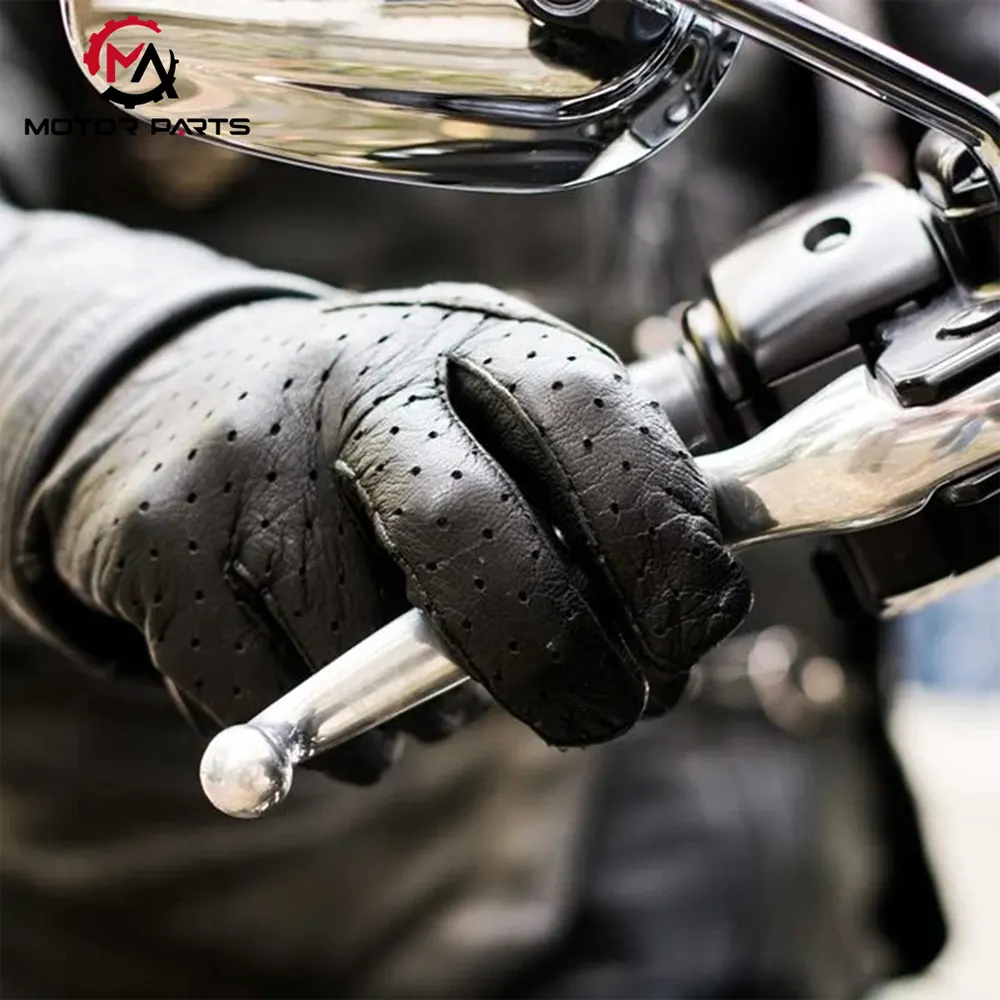
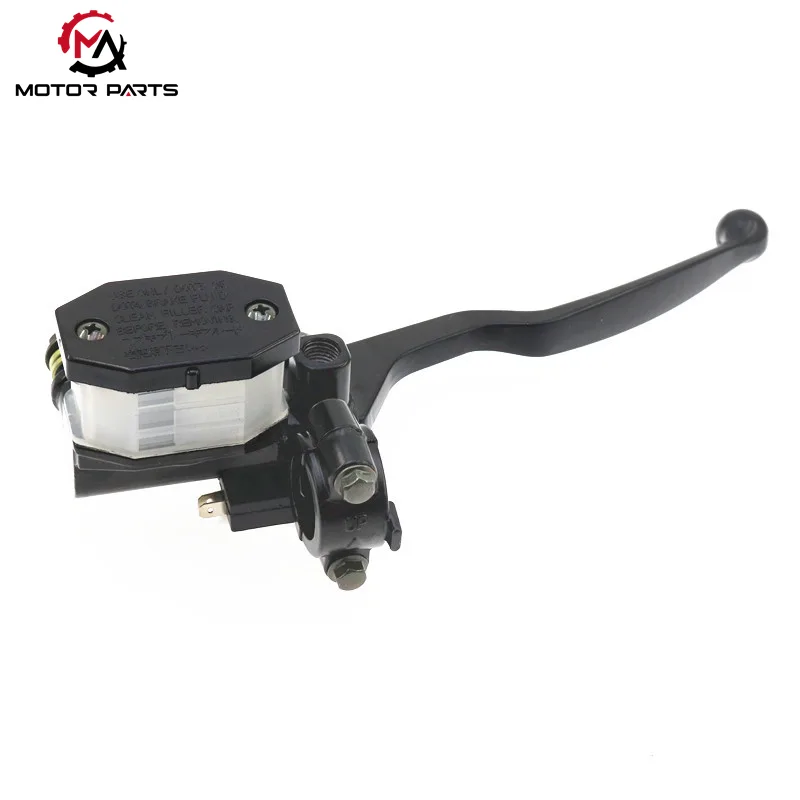
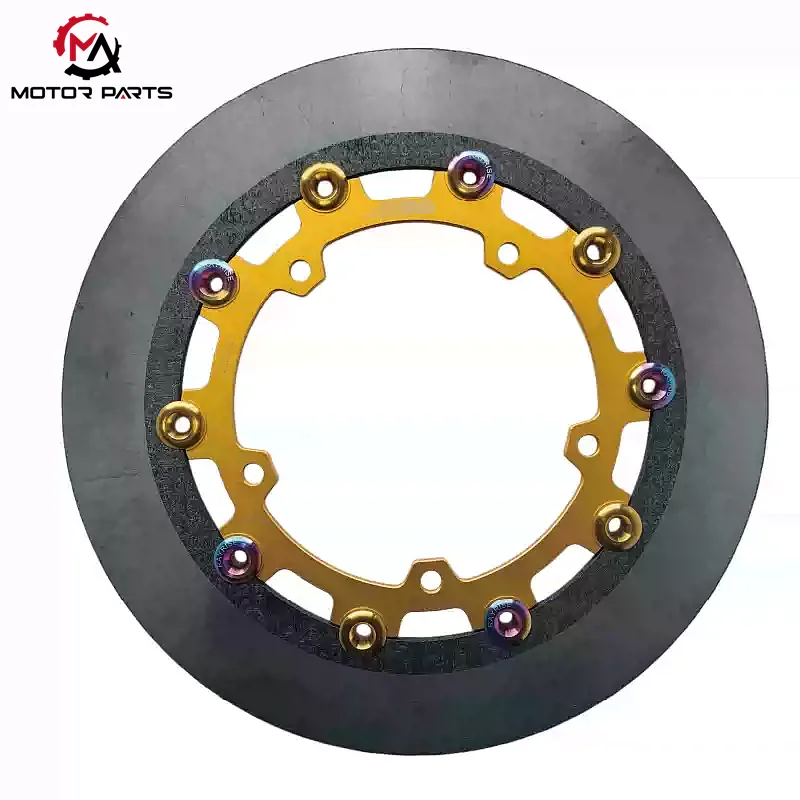
The front brake system of a motorcycle, as the main force bearing end of motorcycle braking (responsible for about 70% -80% of the braking force), directly determines the quality of braking performance based on its operating mechanism. The hydraulic front brake system consists of a brake handle, a brake master cylinder, a brake oil pipe, brake calipers, and brake discs.
When the driver grips the front brake lever on the right side of the handlebar, the lever transmission mechanism pushes the piston in the brake master cylinder to produce displacement. The piston compresses the brake fluid in the master cylinder, forming high-pressure hydraulic energy; High pressure brake fluid is transmitted through a high-pressure resistant metal braided oil pipe to the front wheel brake caliper, pushing the piston inside the caliper to move towards the brake disc; The caliper piston drives the brake friction pad to tightly close to the brake disc, generating braking torque through the friction between the two, cutting down the front wheel speed, and achieving smooth deceleration of the vehicle.
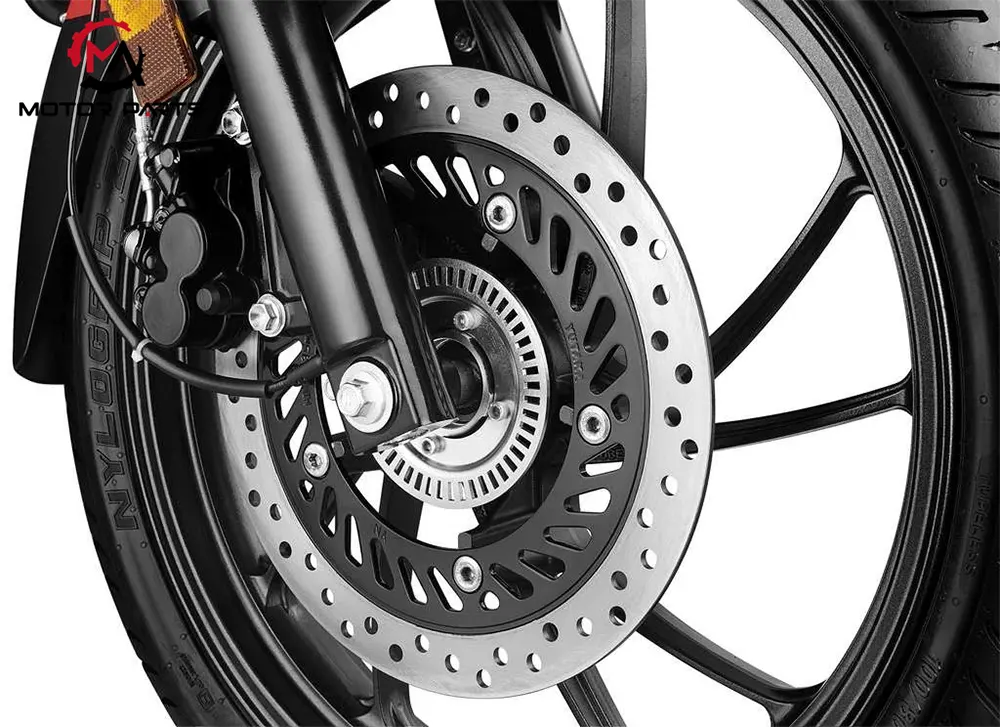
The motorcycle rear brake system, as an auxiliary device for front braking, mainly bears about 20% -30% of the braking force. Its operating mechanism is divided into hydraulic and mechanical cable type. The operating principle of the hydraulic rear brake system is similar to that of the front brake, consisting of a brake pedal, a brake master cylinder, a brake oil pipe, a brake caliper, and a brake disc.
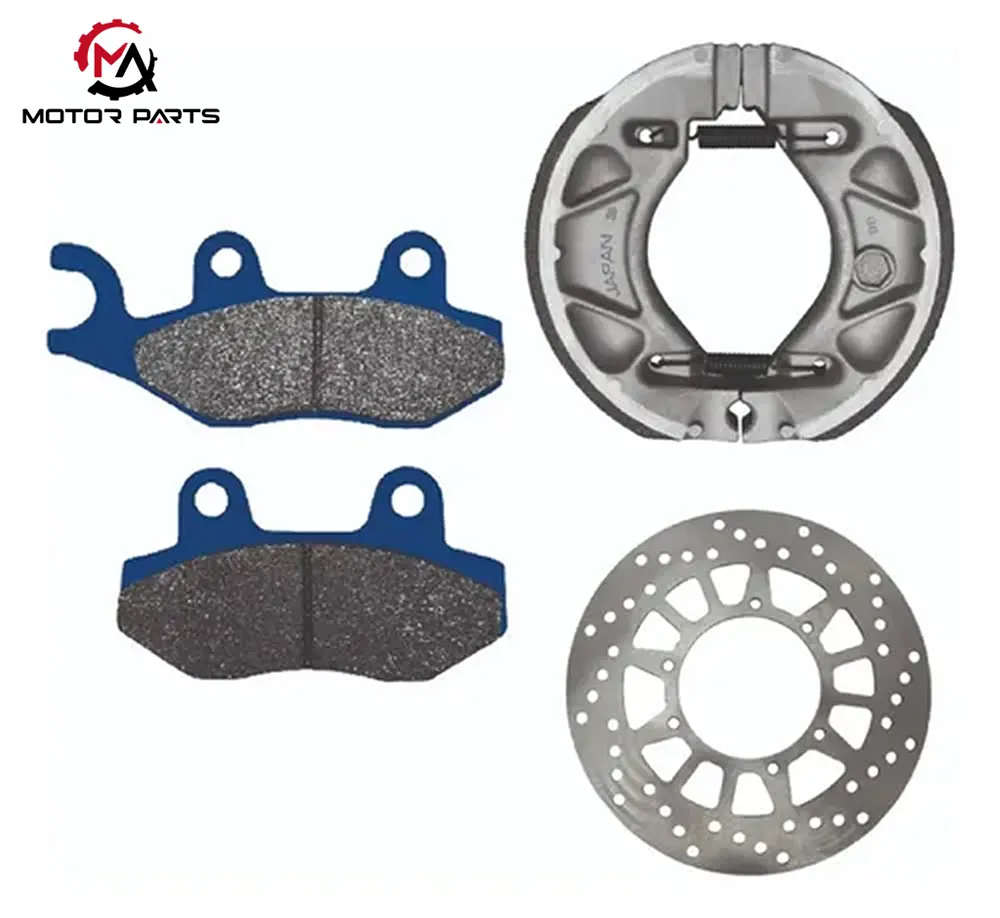
The driver pushes the cylinder piston by pressing the brake pedal, so then reaching braking force transmission. The mechanical cable type rear braking system uses a brake cable as the power transmission medium, and the accessories include a brake pedal, brake cable, brake rocker arm, brake shoe, and brake drum. When the driver applies force to the brake pedal, the pedal amplifies the force through a lever mechanism and transmits it to the brake cable; Lasso immediately drives the brake rocker arm to produce displacement, and the rocker arm pushes the brake shoe block outward through the push rod, making it tightly adhere to the inner wall of the brake drum. Under the friction between the hoof block and the drum wall, a strong braking torque is generated to achieve deceleration and braking of the rear wheels.
Steering components:key to driving direction control
The steering component is a mechanical device that adjusts the direction of motorcycle travel, mainly containing the front fork, upper connecting plate, lower connecting plate, steering bearing, and handlebar. By changing the lateral force applied by the driver on the handlebar into the steering action of the front wheels, it makes sure that the vehicle travels along the expected route.
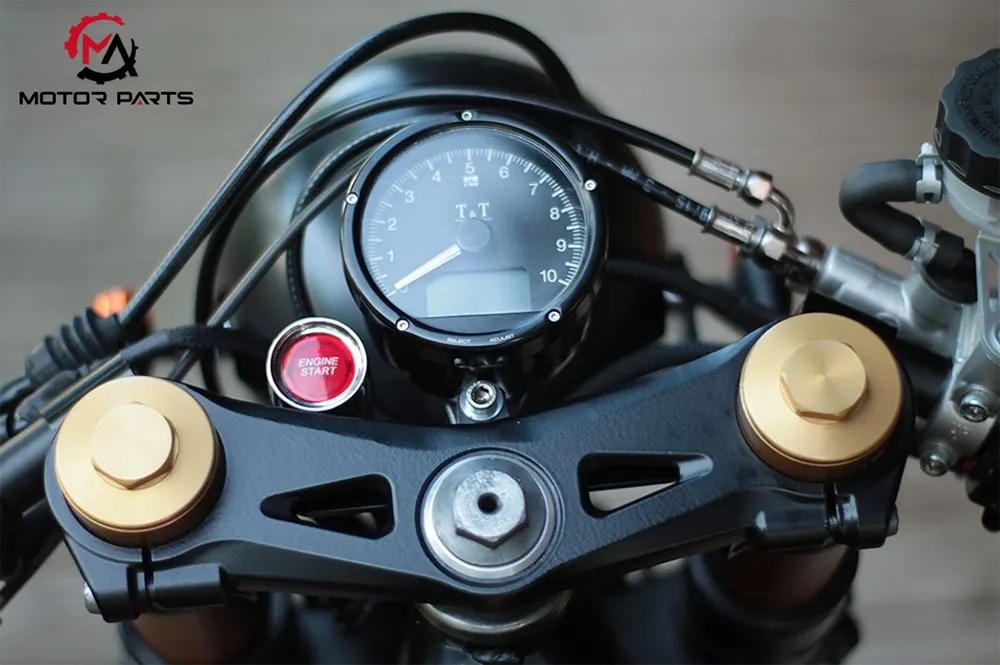
The front fork plays a dual role in steering guidance and shock absorption. It is composed of the front fork riser, left and right fork tubes, shock absorber springs, dampers, and front axle. The front fork riser is connected to the head pipe of the frame through a steering bearing and can freely rotate around the axis of the head pipe; The lower end of the left and right fork tubes is connected to the front axle through a lower connecting plate, while the upper end is fixed to the upper connecting plate; The shock-absorbing spring and damper are built inside the fork tube to absorb the impact caused by road bumps.
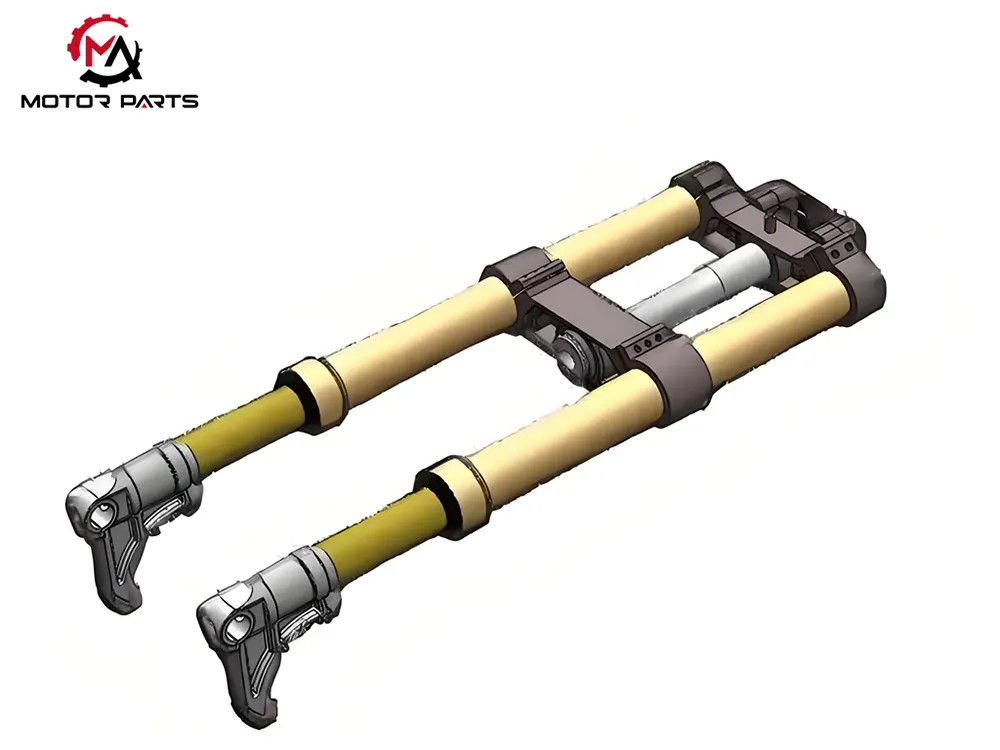
Motorcycle steering bearings are key rotating components that connect the front fork riser to the frame header, directly affecting the smoothness and accuracy of steering. Ball bearings or roller bearings are generally used, broke into upper and lower bearings, and installed at the upper and lower ends of the frame header.
The upper and lower connecting plates of a motorcycle serve as the core hub of the steering system, playing a crucial role in fixing the front fork and efficiently transmitting steering force during motorcycle operation. The upper connecting plate is installed on the upper part of the front fork and is fastened to the top nut of the front fork riser with bolts. The handlebar is also fixed to it with bolts, forming a stable and rigid transmission chain of "handlebar upper connecting plate front fork riser"; The lower plate is located at the lower part of the front fork and is tightly connected to the lower ends of the left and right fork tubes with bolts. The front wheel axle passes through the shaft hole of the lower plate, firmly connecting the front wheel and the front fork as a whole, ensuring precise and stable steering operation.
The efficient operation of the motorcycle control system relies on the precise cooperation of the handlebar and handlebar sleeve, control cable, braking components, and steering components. During dynamic driving, these components build an interactive bridge between the driver and the vehicle through precise force transmission and timing coordination, achieving comprehensive and precise control of the driving status.
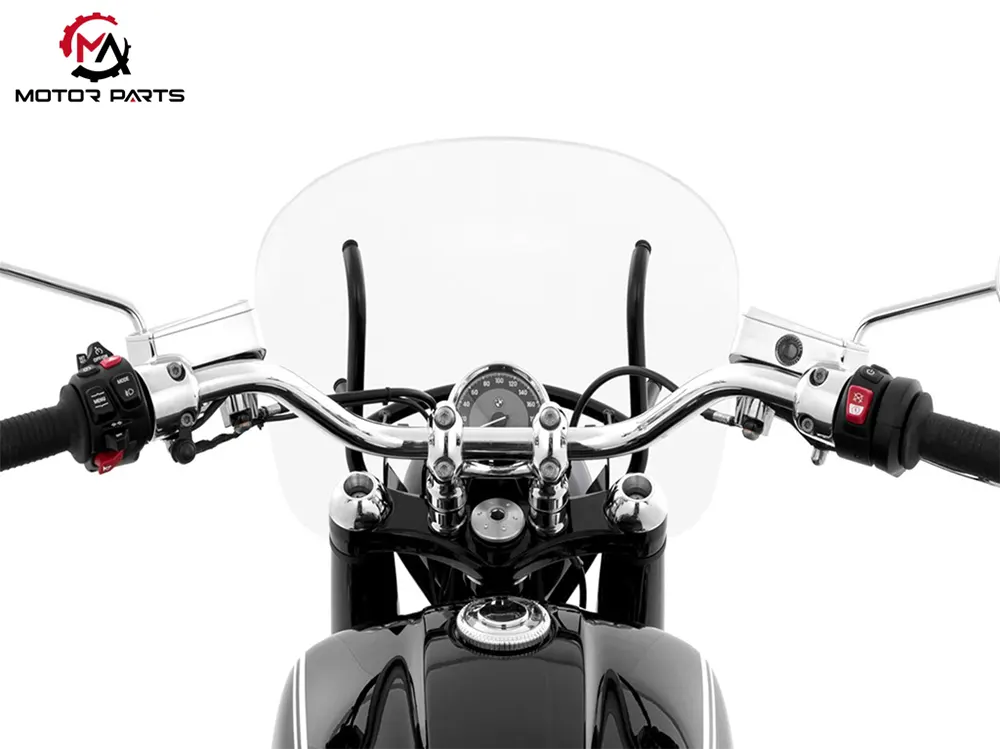
The structural design, material selection, and operating conditions of each component of the motorcycle control system interact with each other to jointly construct the core guarantee of vehicle handling and safety. Therefore, in daily use, Max Trading recommends that riders strictly follow the maintenance cycle, conduct comprehensive inspections, precise lubrication, and professional maintenance of the control system to ensure that all components always maintain their best working condition, creating a safe, reliable, stable, and smooth driving experience for drivers.